Fairmont Chateau Whistler | May 24–26, 2026
Theme: “Take Me Home – Partnerships in the Spotlight”
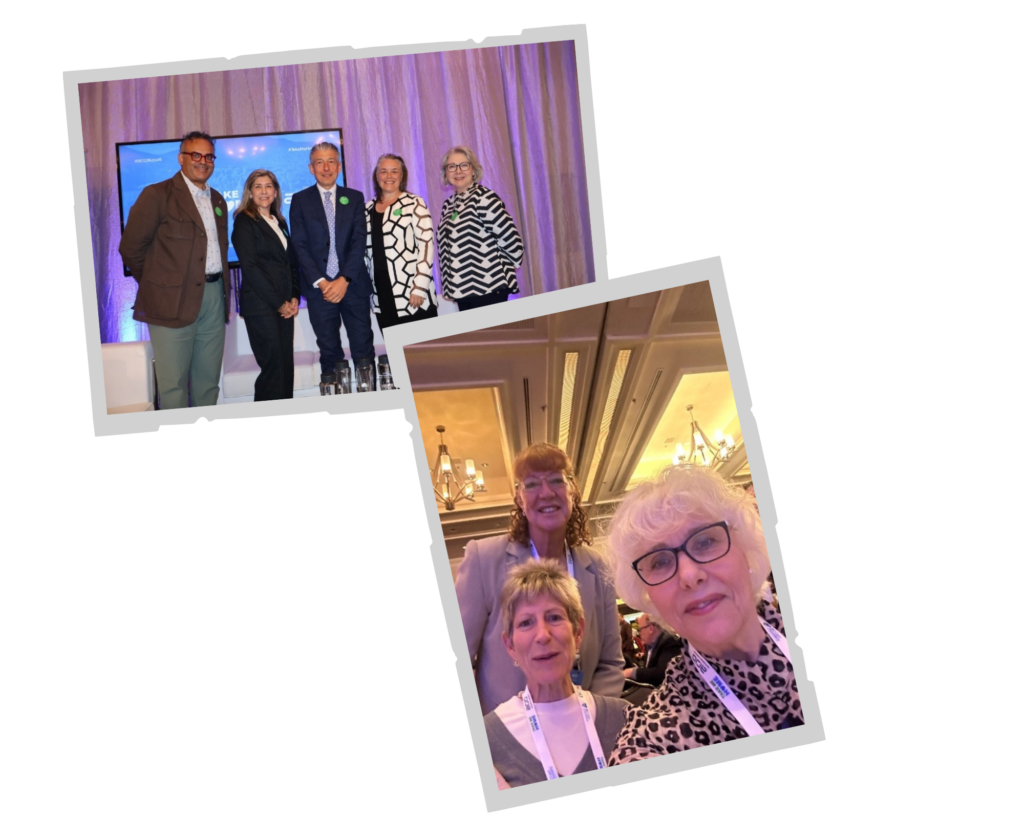
The 49th Annual BCCPA Conference brought together long-term care leaders, clinicians, researchers, educators, residents, families, and sector partners from across British Columbia to explore innovative approaches to improving quality of life, workforce engagement, dementia care, and person-centered service delivery.
Janice DesJardins, Executive with VCAFC, expressed concerns about a broken system where vulnerable seniors are being housed with those who deserve supportive housing: those with mental health and addiction issues. Promotion of life for seniors in long-term care is avoided. Once declared palliative, resident care becomes excellent! For example, in long-term care, the lack of being able to administer simple IV antibiotic treatments results in unnecessary transfers to the hospital. These rigid rules, unresponsive to the obvious need, are conjured up by health care ‘legal departments’, causing the loss of everyday resident dignity, pleasure and life.
Example: a homemade Friday night dinner offered by support Societies or even being allowed to purchase food during an outing. An even greater cause for concern is the expansion of MAID. Ending life is now being considered, by some, as a better choice over the broken healthcare system and long-term care bed and staff shortage crisis we now find ourselves in!
The conference theme, Partnerships in the Spotlight, highlighted the growing recognition that meaningful collaboration between residents, families, care teams, operators, and community organizations is essential to creating long-term care homes that truly feel like home.
Key Themes and Takeaways
Person-Centered Care Must Be More Than a Philosophy
Several presentations emphasized that quality care begins by understanding what matters most to residents and families.
In Together in Care: A What Matters to You Approach to Connect with Families, Health Quality BC shared practical tools for embedding the “What Matters to You?” approach into admissions, care conferences, care planning, staff communication, and family engagement. The session reinforced that asking, listening, and acting on what matters to residents and families should be integrated into everyday practice and governance.
Dementia Education Improves Outcomes
A joint presentation by Broadmead Care Society and the Alzheimer Society of BC and Yukon highlighted the impact of the U-First!® dementia education program. Presenters reported that person-centered dementia training has contributed to improved staff confidence, reduced incidents, stronger communication, and enhanced quality of care. More than 2,500 staff across 184 long-term care homes have now completed the training.
Environment Shapes Quality of Life
In Belonging by Design: Creating Home-Like Environments That Restore Identity, Dignity & Connection, Amber Slay challenged participants to look beyond clinical design and consider how physical environments influence safety, identity, autonomy, belonging, and emotional well-being. The presentation reinforced that residents experience care environments emotionally and that thoughtful design can strengthen dignity, connection, and a sense of home.
Spotlight Session: ILTCCABC and Dignified Senior Care
A conference highlight for family engagement was the Bright Ideas presentation:
“A Bright Idea for Transforming Long-Term Care Culture”
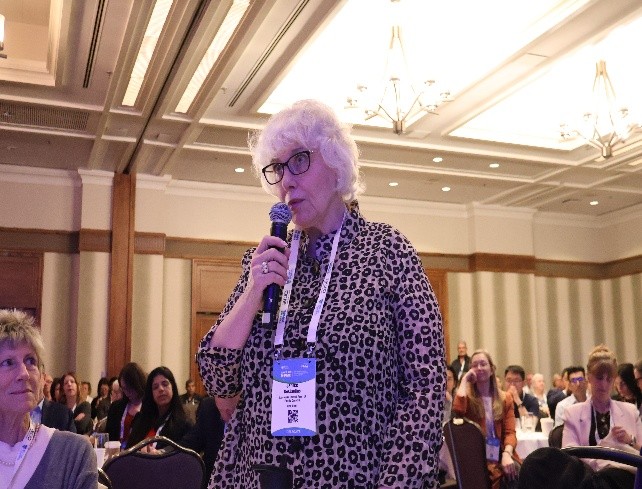
Presented by Lisa Dawson, President of the Independent Long-Term Care Councils Association of BC (ILTCCABC), and Lorraine Mock, Founder and Facilitator of The Breakthrough Coach – Dignified Senior Care Program.
The presentation introduced the Dignified Senior Care Program, an affordable, turn-key initiative designed to strengthen both the culture and systems of long-term care. The program combines experiential staff education grounded in BC’s Residents’ Bill of Rights with practical administrative tools that support and reinforce dignified, person-centered care practices.
Key benefits highlighted included:
• More meaningful resident-staff interactions.
• Increased emotional safety, respect, and connection.
• Enhanced quality of life through dignity-focused practices.
• Greater staff engagement, confidence, and well-being.
• Improved team cohesion and sustainable culture change.
• Stronger trust and relationships between families and care teams.
The session aligned strongly with conference themes by demonstrating how dignity, relationships, and family partnership can become organizing principles for care delivery and organizational culture.
Sessions of Interest:
• Together in Care: A What Matters to You Approach to Connect with Families (Health Quality BC)
• Transforming Long-Term Care with Person-Centred Dementia Training: Lessons from Broadmead Care Society (Broadmead Care Society & Alzheimer Society of BC and Yukon).
• Belonging by Design: Creating Home-Like Environments That Restore Identity, Dignity & Connection (Savaria Patient Care).
• A Bright Idea for Transforming Long-Term Care Culture: ILTCCABC & Dignified Senior Care Program (Lisa Dawson, ILTCCABC and Lorraine Mock, Breakthrough Coach)
• Conference Wrap Up: Insights (David Coletto, Abacus Data)
BCCPA newsletter includes many topics and events of interest in support of long-term care and seniors’ care.”
Read more HERE.
Implications for ILTCCABC
The conference reaffirmed the important role that Family Councils play in advancing person-centered care, strengthening resident and family engagement, and supporting quality improvement within long-term care homes. Across multiple sessions, themes of dignity, belonging, collaboration, and understanding “what matters” closely mirrored the values that underpin ILTCCABC’s work. The conference also demonstrated growing sector recognition that residents, families, and care providers achieve the best outcomes when they work together as partners in care.
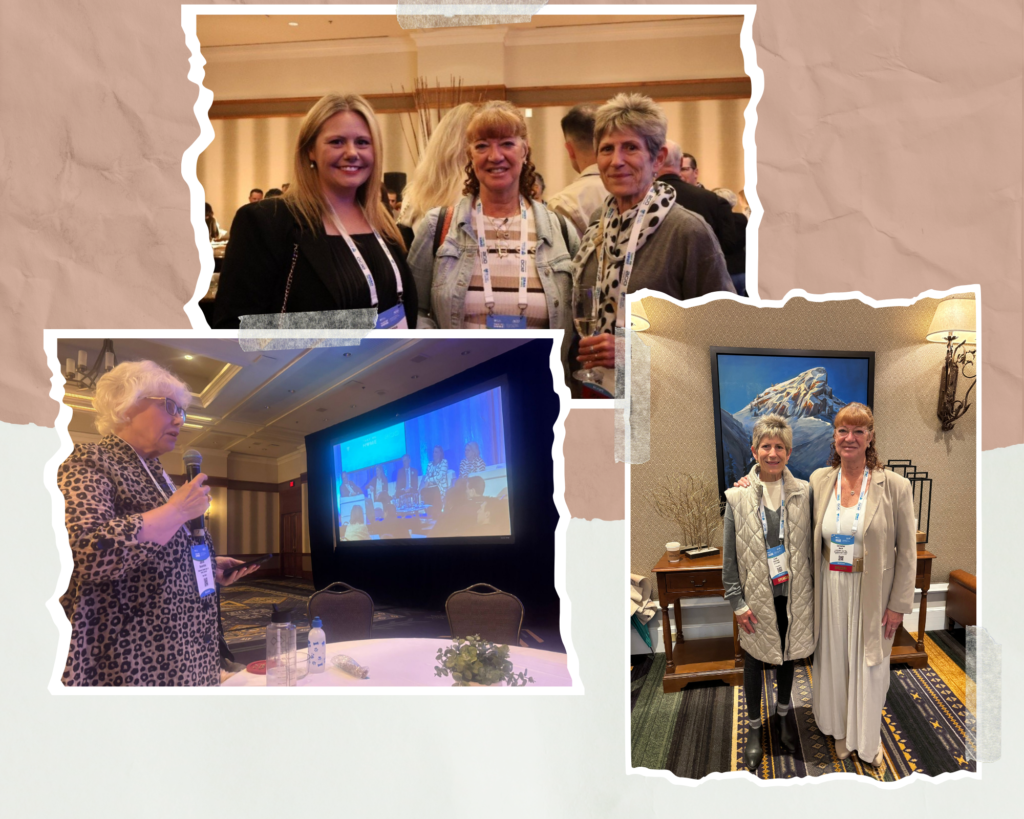
Of course, the Hoedown was a way to network and relax:

Overall Message: The future of long-term care is not simply about providing care—it is about creating homes where residents experience dignity, belonging, autonomy, connection, and meaningful relationships every day.
Lisa Dawson, President
ILTCCABC
Your Provincial Association of Long-Term Care Councils
www.ILTCCABC.ca | president.iltccabc@gmail.com | 604.341.1447